Leopard Flowers Seamless Pattern Vector Review
When I first opened the Leopard Flowers Seamless Pattern Vector, my immediate reaction was a mix of curiosity and cautious optimism. As an embroidery designer who has stitched thousands of files for everything from boutique branding to personalized baby gifts, I know that a pretty vector doesn’t always translate well into thread. The digital world is full of beautiful graphics that fall apart under the needle, but this design caught my eye because it promised something specific: a romantic yet subtle aesthetic that blends wild animal print with delicate florals. For those of us running small shops or creating custom apparel, finding a balance between bold visual interest and wearable elegance is often the hardest part of the workflow. This file attempts exactly that, and after putting it through its paces in real-world scenarios, here is my honest take on how it performs as both a machine embroidery design and a versatile graphic asset.
First Impressions: Mood and Visual Personality
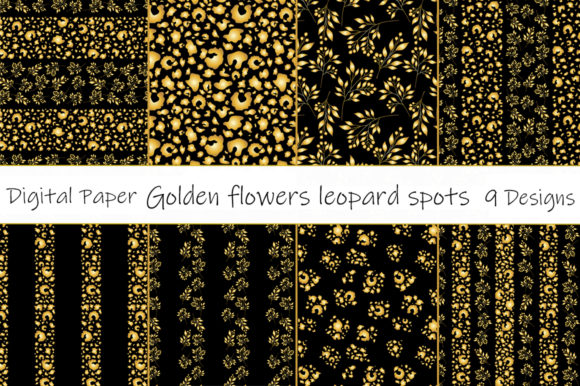
The core appeal of this pattern lies in its duality. It takes the aggressive, high-contrast nature of a leopard print and softens it with organic floral elements. Visually, it feels less like a fashion statement and more like a lifestyle brand. When you look at the seamless layout, the rhythm is steady without being overwhelming. This makes it an excellent candidate for background textures rather than focal points. In my experience, designs that rely too heavily on dense, chaotic patterns can become muddy when digitized, especially if the stitch density isn’t perfectly calibrated. However, the vector nature of this Graphics product suggests clean lines that should hold up well during the conversion process.
The mood is undeniably chic. It evokes a sense of modern femininity that appeals to a broad demographic. Whether you are targeting the millennial market looking for trendy custom apparel or someone seeking a sophisticated touch for home decor, this pattern hits the right notes. It is not loud; it whispers. And in the world of handmade goods, subtlety often sells better than shoutiness because it allows the wearer or user to project their own personality onto the item.
Real-World Application: From Screen to Stitch
To truly evaluate any embroidery file, you have to imagine it on physical products. Let’s talk about a tote bag. A canvas tote is a staple for any Etsy seller or craft fair vendor. If I were to apply the Leopard Flowers Seamless Pattern Vector across the entire front panel of a natural cotton canvas bag, the result would be striking but grounded. The floral elements break up the monotony of a standard animal print, giving the bag a unique character that stands out in a sea of generic merchandise. It transforms a simple accessory into a handmade product with perceived higher value.
I also envision this working beautifully on sweatshirt embroidery projects. Imagine a crewneck sweatshirt where the pattern is placed subtly on the back yoke or down one sleeve. The contrast between the soft fleece fabric and the structured embroidery adds tactile depth. Because the pattern is seamless, it repeats cleanly, which is crucial for maintaining a professional look. Customers appreciate consistency; a jagged or misaligned repeat screams amateur hour, whereas a smooth, continuous flow suggests quality craftsmanship.
Beyond apparel, this design has strong potential in the nursery and baby sector. Baby clothes require softer visuals, and the "romantic" aspect of the flowers helps mitigate the harshness of the leopard spots. A onesie or a burp cloth featuring this pattern could serve as a trendy personalized gift for modern parents who want something beyond the usual pastel stars and moons. It fits perfectly into the current trend of gender-neutral or softly themed baby gear.
Where Caution Is Required
However, no design is perfect for every application. There are specific scenarios where this pattern requires careful consideration. First, consider the hoop size. While seamless patterns are great for large areas, they can become tedious to hoop repeatedly if the final product is larger than your machine’s maximum frame. You must plan your jumps carefully to avoid visible seams in the stitching. Furthermore, textured fabrics pose a challenge. If you attempt to stitch this on a heavy boucle wool or a highly napped fleece, the details of the flowers may get lost in the pile. The design needs a relatively smooth surface to maintain its clarity.
Dark fabrics present another hurdle. Leopard prints often rely on light-on-dark contrast to read clearly. If you are using dark threads on a black garment, you might lose the definition of the lighter floral accents. In these cases, I recommend testing thread colors rigorously. Sometimes, using a slightly lighter thread than the base fabric can help the pattern pop without creating a harsh outline. Additionally, be mindful of stretchy fabrics like jersey knits unless you are using a proper cut-away stabilizer. Seamless patterns cover a lot of area, and if the stabilizer isn’t robust enough, the fabric will pucker over time, ruining the finished product.
Practical Designer Notes for Execution
If you decide to incorporate this digital embroidery file into your business, there are several technical steps you should take before hitting the start button. Always test the design on scrap fabric first. This is non-negotiable. You need to check the stitch density to ensure it isn’t too heavy for the fabric weight you’ve chosen. A dense fill stitch on thin tea towels, for example, can cause the fabric to tear or distort.
Inspect the small details closely. In vector graphics, tiny lines can sometimes translate into overly thin stitches in embroidery software, leading to thread breaks or poor coverage. If the floral centers are too small, consider modifying them slightly in your digitizing software to ensure they remain visible after washing. Also, run a black-and-white mockup of your design. This helps you see the true contrast levels without the distraction of color, ensuring that the leopard spots and flowers are distinct from one another.
Don’t forget about licensing. Since this is sold as a vector illustration, clarify whether you have commercial rights to use it in embroidered goods. Many craft business owners accidentally violate terms by assuming all digital assets allow for physical resale. Confirming these details protects your reputation and your bottom line.
Final Verdict on Value and Appeal
The Leopard Flowers Seamless Pattern Vector succeeds because it offers versatility. It is not a niche novelty; it is a adaptable design element that can elevate a wide range of items. From apron embroidery in a boutique kitchen shop to holiday embroidery on gift tags, it brings a cohesive visual language to your collection. For small shop product creators, having access to such a polished design asset saves hours of creation time while delivering a premium look.
Ultimately, this pattern works best when used with intention. It shines on medium-to-large formats where the seamless nature can be fully appreciated, and it struggles only when forced into tiny spaces or incompatible materials. By respecting the limitations of the medium and planning your production carefully, you can turn this vector into a best-selling embroidery project that customers love. It bridges the gap between digital artistry and tangible craftsmanship, proving that a good design is just the beginning of a successful handmade journey.