Lucky Horseshoe Flowers Graphics and Crafts Review
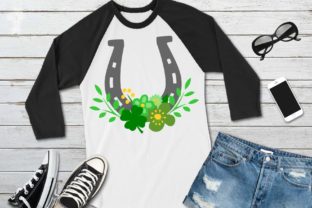
As a brand designer who has spent years refining visual identities for small businesses and digital creators, I approach every new graphic design asset with a mix of skepticism and curiosity. In the world of content marketing, visuals are not just decoration; they are the first point of communication between a brand and its audience. Recently, I evaluated a specific illustration titled Lucky Horseshoe Flowers to determine its viability for real-world marketing campaigns. This review breaks down how this design asset performs in practical branding scenarios, focusing on visual consistency, emotional tone, and commercial utility.
First Impressions and Emotional Tone
When you first encounter Lucky Horseshoe Flowers, the immediate mood is one of whimsical optimism. The intersection of floral elegance with the iconic symbol of luck creates a unique visual tension that feels both grounded and playful. For brand owners and social media managers, this combination suggests a brand personality that is approachable yet aspirational. It does not feel heavy or corporate; instead, it leans toward lifestyle, handmade goods, and creative entrepreneurship.
The emotional tone is distinctly positive. Luck implies good fortune, success, and a welcoming atmosphere, while flowers suggest growth, beauty, and natural elegance. When used in marketing visuals, this asset can subtly influence audience perception by associating the brand with positivity and care. It feels suitable for casual branding, editorial graphics, and promotional materials where the goal is to attract attention without looking messy or unprofessional. However, it may not align with ultra-minimalist or strictly formal corporate identities, as the decorative nature adds a layer of complexity that requires careful handling.
Real-World Marketing Applications
To understand the true value of Lucky Horseshoe Flowers, we must look at how it integrates into actual workflows. Imagine a small business launching a spring collection or promoting a seasonal offer. The challenge is often creating a cohesive set of social media graphics that stand out in a crowded feed. This design asset serves as an excellent anchor for such campaigns.
- Social Media & Digital Ads: The illustration works beautifully as a standalone element in Instagram posts or Pinterest pins. Its balanced composition allows text overlays to sit cleanly beside or below the image, maintaining a clear visual hierarchy. For Facebook ads or digital banners, it adds a touch of premium quality that can improve click-through rates by making the ad feel more like curated content than a hard sell.
- Packaging & Product Labels: For physical products, this asset can elevate packaging design and product labels. Whether printed on stickers, tags, or boxes, the detailed lines of the flowers and the bold shape of the horseshoe create a memorable brand mark. It supports better product presentation by adding a handcrafted feel that resonates with consumers looking for authenticity.
- Content Marketing & Editorial Design: Bloggers and publishers can use this illustration to break up text-heavy articles or to serve as header images for lifestyle content. It fits naturally within editorial design contexts, adding visual interest to lead magnets, media kits, or downloadable guides. When paired with clean typography, it helps build stronger recognition across different platforms.
- E-commerce & Merchandise: For online coaches and product creators, this asset is versatile enough for merchandise designs, such as tote bags, mugs, or apparel. It also works well as a decorative accent in email banners, helping to reinforce small business branding through consistent visual cues.
Supporting Marketing Goals Through Visual Consistency
A strong brand identity relies on consistency, and Lucky Horseshoe Flowers offers several elements that support this goal. By using this illustration across multiple touchpoints—from website headers to printable promotions—businesses can create a unified aesthetic that builds audience trust. When customers see the same high-quality visual language repeated, they perceive the brand as more professional and reliable.
This asset also aids in emotional connection. The symbolism of luck is universally appealing, and when combined with floral motifs, it evokes feelings of renewal and opportunity. This can be particularly effective for brands that want to position themselves as partners in their customers' journeys. Furthermore, the intricate details of the design encourage closer inspection, which can lead to longer engagement times with your content. In a landscape dominated by fleeting attention spans, capturing even a few extra seconds of viewer focus is a significant win for any campaign.
Strategic Placement and Decorative Value
To maximize the impact of this design asset, strategic placement is key. It excels as a hero graphic or a campaign header, where its full detail can be appreciated. It also serves as a powerful decorative brand element in content bundles or promotional banners. For instance, using it as a background texture in Canva templates can add depth without overwhelming the primary message. As a packaging accent, it can frame product information elegantly, guiding the eye toward key selling points.
However, there are limitations. Designers should use this asset carefully in dense information layouts or on small mobile graphics where fine details might get lost. It is also important to avoid placing it against low-contrast backgrounds, as this can reduce readability and visual impact. Additionally, for overly minimal brands or text-heavy ads, this illustration might compete with the main message rather than supporting it. In such cases, consider using a simplified version or a monochrome variant to maintain balance.
Practical Brand Designer Notes
Before integrating Lucky Horseshoe Flowers into your marketing materials, I recommend following these practical steps to ensure optimal results:
- Test Color Palettes: Experiment with the asset in various brand color schemes. See how it looks in full color, black and white, or single-color prints. This flexibility is crucial for printable design applications.
- Mockup Testing: Place the illustration inside real campaign mockups, such as social media frames or packaging prototypes. Preview it on mobile screens to check scalability and clarity.
- Typography Pairing: Evaluate how the asset pairs with different font styles. It complements serif fonts for a classic look, sans serif fonts for modern clarity, and script or handwritten fonts for a personal touch. Display fonts can work if used sparingly to avoid clutter.
- Spacing and Balance: Review the negative space around the illustration. Ensure that the design breathes and does not feel cramped when scaled down.
- Commercial Licensing: Always confirm the commercial license before using the asset in paid campaigns, client work, or business branding. Understanding the terms of use protects your business from legal issues.
In conclusion, Lucky Horseshoe Flowers is a versatile creative design asset that brings charm and professionalism to a wide range of marketing efforts. Its ability to blend luck and nature makes it a standout choice for content creators, designers, and small business owners looking to enhance their visual content creation. By applying it thoughtfully and testing it rigorously, you can leverage this illustration to create more memorable, engaging, and trustworthy brand experiences.